
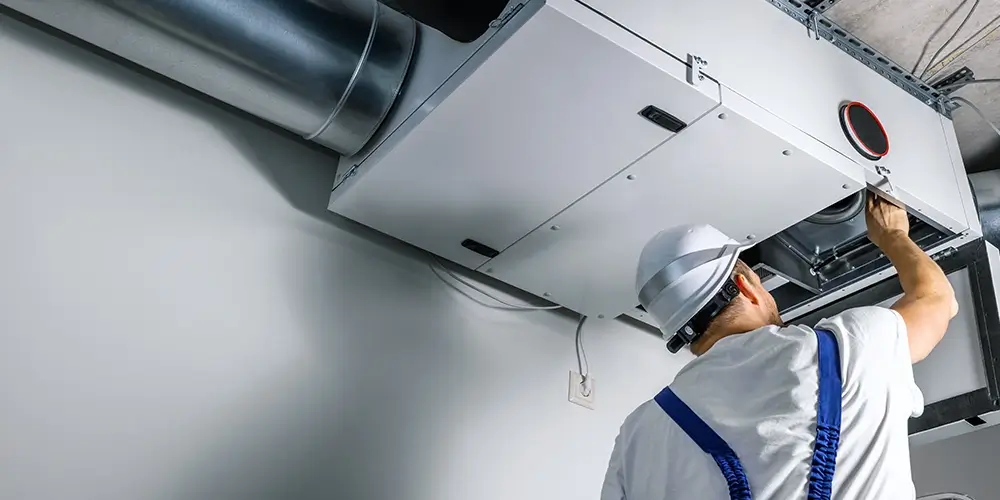
When it comes to maintaining comfort in your home or business, a properly installed HVAC system is essential. HVAC, which stands for Heating, Ventilation, and Air Conditioning, is responsible for regulating indoor temperatures, improving air quality, and ensuring energy efficiency. A proper HVAC installation not only provides consistent comfort but also extends the lifespan of your system and reduces energy costs hvac installation knoxville.
Understanding HVAC Systems
Before diving into installation, it’s important to understand what an HVAC system entails. At its core, an HVAC system consists of three main components:
-
Heating Unit: Typically a furnace or heat pump that provides warmth during cold months.
-
Cooling Unit: Often an air conditioner or heat pump that cools your space in hot weather.
-
Ductwork and Ventilation: Channels that distribute conditioned air throughout the building, along with filters and vents to ensure air quality.
Each of these components must be carefully selected and correctly installed to match your building’s size, layout, and insulation levels.
The Importance of Professional HVAC Installation
While some homeowners attempt DIY HVAC installation, professional installation is highly recommended. Improper setup can lead to uneven temperatures, higher utility bills, and frequent repairs. Professional HVAC technicians bring expertise in sizing, placement, and compliance with local building codes, which ensures the system operates efficiently and safely.
Steps Involved in HVAC Installation
The HVAC installation process typically follows several key steps:
-
Assessment and Planning: A licensed technician will evaluate your property to determine the right size and type of system. This includes measuring square footage, inspecting insulation, and reviewing existing ductwork.
-
Equipment Selection: Choosing the correct unit is critical. Factors like energy efficiency ratings (SEER for cooling and AFUE for heating), fuel type (electric, gas, or oil), and brand reliability are considered.
-
Ductwork Design and Installation: Properly designed ducts ensure efficient airflow. Technicians may repair, replace, or install new ductwork to optimize performance.
-
System Placement: HVAC units must be installed in locations that allow easy access for maintenance, proper ventilation, and efficient airflow. Outdoor units should be placed on a level surface with adequate clearance, while indoor units are usually positioned in utility rooms or basements.
-
Electrical and Refrigerant Connections: The system’s electrical wiring, thermostat connections, and refrigerant lines are installed according to manufacturer specifications. This step is critical for system safety and efficiency.
-
Testing and Balancing: Once installed, the system is tested for leaks, airflow consistency, and proper operation. Adjustments are made to ensure each room receives the intended heating or cooling.
-
User Training and Maintenance Guidance: Technicians often provide guidance on thermostat operation, filter replacement, and maintenance schedules to maximize the system’s lifespan.
Common Challenges in HVAC Installation
Several challenges can arise during installation. One common issue is incorrect sizing. An oversized unit cycles on and off frequently, wasting energy, while an undersized unit struggles to maintain comfort. Another challenge is poor ductwork design, which can lead to air leaks and uneven temperature distribution. Proper installation addresses these issues from the outset.
Energy Efficiency Considerations
Modern HVAC systems are designed with energy efficiency in mind. During installation, professionals ensure that the system operates at optimal levels. This includes sealing ductwork, using programmable thermostats, and choosing units with high efficiency ratings. A well-installed system not only reduces energy bills but also minimizes environmental impact.
Cost Factors
The cost of HVAC installation varies depending on system type, size, and complexity. Central air systems typically cost more than ductless mini-split units, but they provide comprehensive coverage. Additional expenses may include ductwork modifications, permits, and labor charges. While upfront costs may seem high, investing in professional installation saves money in the long run by preventing inefficiencies and reducing repair frequency.
Maintaining Your HVAC System
Even after installation, regular maintenance is essential. Changing filters, cleaning coils, and scheduling annual inspections keep the system running smoothly. Many HVAC companies offer maintenance plans that include seasonal checkups, which help detect small issues before they turn into costly repairs.
Conclusion
A proper HVAC installation is the foundation of a comfortable and energy-efficient home or business. From selecting the right equipment to precise installation and testing, each step contributes to system performance and longevity. By relying on professional technicians, you ensure your HVAC system operates safely, efficiently, and reliably for years to come. Investing in proper installation today saves money, enhances comfort, and provides peace of mind for the future.