
Best AI Automation Specialist: A Game-Changer for Enterprises

In today’s hyper-competitive business environment, enterprises face immense pressure to operate faster, smarter, and more efficiently. Digital transformation is no longer a choice; it is a necessity. At the heart of this transformation is Artificial Intelligence (AI), and the most effective AI-driven change comes from the expertise of the best AI Automation Specialists. These professionals are proving to be game-changers for enterprises, redefining productivity, operational efficiency, and business strategy.

The Rising Importance of AI in Enterprises

Enterprises generate massive amounts of data and perform complex operations across multiple functions. Managing these efficiently using traditional methods is becoming increasingly impossible. AI provides the tools to automate, analyze, and optimize these processes at scale.

However, simply adopting AI tools is not enough. Enterprises need specialists who understand both technology and business processes—enter the AI Automation Specialist. The best specialists combine technical proficiency with strategic insight, ensuring AI automation delivers real business value rather than just novelty.

Driving Enterprise Efficiency at Scale

Large enterprises face unique challenges: multiple departments, global operations, and high volumes of transactions. AI Automation Specialists tackle these challenges by streamlining operations across the organization.

For example, in multinational corporations, invoice processing can involve multiple currencies, tax regulations, and approval workflows. A skilled AI Automation Specialist can design an automated system that handles these complexities without human intervention, reducing errors and speeding up financial operations. This efficiency translates into faster decision-making and a more agile enterprise.

Transforming Customer Experience

Customer experience is a key differentiator for modern enterprises. AI Automation Specialists play a crucial role in enhancing interactions through intelligent systems such as chatbots, recommendation engines, and automated support workflows.

For instance, AI chatbots can resolve common customer issues instantly, while human agents focus on complex cases. Recommendation engines powered by AI can analyze customer behavior to suggest products or services that increase satisfaction and revenue. By improving responsiveness and personalization, AI automation specialists help enterprises not only serve customers better but also strengthen brand loyalty.

Reducing Operational Costs Without Sacrificing Quality

One of the most tangible benefits of employing the best AI Automation Specialists is cost reduction. Automating repetitive or labor-intensive tasks reduces reliance on human labor for routine work, cutting operational expenses.

Consider supply chain management: an AI system can monitor inventory levels, predict demand, and automatically reorder products. This minimizes stockouts and overstock situations, reducing waste and associated costs. By integrating automation across core operations, enterprises achieve significant cost savings while maintaining high-quality standards.

Enabling Data-Driven Decision Making

Enterprises operate in an increasingly data-rich environment, but data is only valuable when it informs decision-making. AI Automation Specialists implement systems that not only collect data but also analyze it intelligently, providing actionable insights.

For example, predictive analytics can help sales teams forecast demand, identify high-value customers, and prioritize leads. Marketing teams can leverage AI to optimize campaign performance in real-time. By transforming raw data into strategic insights, AI Top ai integrator specialists empower enterprises to make smarter, faster, and more informed decisions.

Supporting Innovation and Agility

The best AI Automation Specialists do more than optimize existing processes—they enable enterprises to innovate. By automating routine tasks, teams can focus on developing new products, exploring market opportunities, and experimenting with innovative ideas.

Moreover, AI systems provide real-time feedback and analytics, allowing enterprises to adapt quickly to changing market conditions. This agility is crucial in industries where customer expectations and technology trends evolve rapidly. AI automation becomes a catalyst for continuous improvement and enterprise-level innovation.

Case Studies: AI Automation Specialists in Action

  1. Financial Services: AI automation specialists in banks automate loan approval workflows, reducing processing time from days to hours while ensuring compliance with regulatory standards.

  2. Healthcare: AI systems streamline patient records, appointment scheduling, and insurance claims, freeing healthcare professionals to focus on patient care.

  3. Manufacturing: Predictive maintenance solutions prevent machinery breakdowns, reduce downtime, and optimize production schedules.

These examples illustrate how the best AI Automation Specialists drive tangible results across industries, proving their value as enterprise game-changers.

Choosing the Best AI Automation Specialist for Your Enterprise

Not all AI specialists deliver the same results. Enterprises should look for the following qualities when selecting a top-tier AI Automation Specialist:

  • Technical Expertise: Proficiency in RPA, machine learning, NLP, and cloud AI platforms.

  • Business Acumen: Understanding of enterprise workflows and strategic objectives.

  • Problem-Solving Skills: Ability to identify automation opportunities and implement solutions effectively.

  • Scalability Focus: Experience in designing systems that can grow with enterprise needs.

  • Collaboration: Ability to work across departments and integrate AI seamlessly.

Investing in the right specialist ensures that AI automation becomes a strategic asset rather than just a technological experiment.

Conclusion

The best AI Automation Specialists are true game-changers for enterprises. By enhancing operational efficiency, reducing costs, improving customer experience, enabling data-driven decisions, and fostering innovation, they transform the way organizations operate. Enterprises that leverage these specialists gain a significant competitive edge, positioning themselves for sustainable growth and market leadership.
How Advances In Technology Are Shaping Food-Grade Standards

In today’s health-conscious culture, the Material analysis utilized in food and beverage containers, such as canteen, play a vital function in customer safety and well-being. Impurities in food-grade materials can have serious wellness implications, which is why recognizing food-grade standards and material analysis is essential for both customers and makers. When we speak about food-grade materials, we refer to those that are regarded safe for direct call with food and drinks. These materials go through stringent testing to ensure they do not seep unsafe compounds into the materials they hold. Regulations established by numerous health and wellness organizations, such as the FDA in the United States or the European Food Safety Authority (EFSA) in Europe, dictate the appropriate limits for numerous materials and contaminants, making certain that these materials fulfill safety and security needs.

For water bottles especially, it is essential that the materials meet food-grade standards, as millions of people count on these containers for hydration on a daily basis. The most usual materials used for water bottles consist of stainless steel, glass, aluminum, and different types of plastic, each with its unique properties and challenges regarding safety and security and performance.

Glass, one more prominent selection, is also taken into consideration food-grade. On the various other hand, light weight aluminum water bottles frequently come with a lining to prevent the steel from responding with the components, and this lining should fulfill food-grade security standards. Worries concerning light weight aluminum have actually led to fluctuations in its popularity, and customers are becoming progressively mindful of the demand for extensive analysis of materials used in these products.

Plastic water containers, specifically those made from polyethylene terephthalate (PET), high-density polyethylene (HDPE), and polypropylene (PP), represent an unique case in the world of food-grade materials. Containers made from BPA-free plastics are ending up being a lot more typical, but even these choices require to be inspected for their safety and security and resilience. The kinds of screening that a plastic bottle goes through reflect its suitability for food call, and it’s crucial for consumers to check out tags and do their research study to understand what materials they are making use of.

Material analysis is a vital part in examining the safety and security of food-grade materials. It includes a series of examinations and tests to make sure that the materials abide by established safety and security standards and laws. This analysis frequently includes testing for chemical composition, potential impurities, and overall material performance under numerous conditions. Companies bought generating safe food-grade containers commonly take on strenuous material analysis, often subjecting their products to both interior evaluations and independent third-party screening. This diligence helps guarantee that their materials do not consist of damaging substances that could posture a threat to human health and wellness. Additionally, performance screening for aspects such as longevity, temperature level resistance, and stress and anxiety under load is crucial in guaranteeing that reuse of materials, particularly for things like water containers which are utilized repetitively, does not cause destruction that might impact security.

Traceability in the supply chain for materials is another crucial element of preserving food-grade standards. Manufacturers require to be able to map the beginning and processing of materials utilized in their items, as this openness helps in constructing consumer count on. This is particularly crucial for customers trying to find lasting and fairly sourced products. A transparent supply chain not just improves safety and security by making certain that suppliers additionally meet security requirements but also aligns with consumer choices towards sustainability and business responsibility.

Social media and on the internet platforms have actually become considerable networks for consumers to share experiences and worries connected to the safety of materials. Encouraging consumers to understand and doubt the food-grade standards linked with their water bottles contributes to a much more enlightened public and cultivates continuous renovations in material safety.

The recycling procedure for materials made use of in water bottles even more makes complex the conversation around food-grade standards. As an example, recycled plastics can be repurposed into new containers, yet this process must guarantee that any type of impurities from the utilized material do not compromise the safety of the new item. Regulatory bodies have guidelines on the recycling of food-grade materials to guarantee that public health is not jeopardized. As more consumers choose lasting products, recognizing the lifecycle of materials and the standards applicable at every stage is significantly important. The relocation in the direction of a round economic climate needs innovative thinking and rigorous adherence to security policies, reinforcing the significance of using food-grade materials.

As consumers remain to demand much better top quality, safety and security, and sustainability in food-grade products, producers are innovating to meet these expectations. New materials, such as bioplastics originated from renewable resources, are being checked out and examined to produce food containers that are both safe and less hazardous to the atmosphere. These materials still need to go through thorough testing to guarantee they meet food-grade standards, but their potential to reduce dependence on fossil fuels and reduce plastic waste provides an interesting frontier in the discussion about canteen materials and food safety.

Adherence to food-grade standards makes certain the security and high quality of these materials, while material analysis assists manufacturers verify their choices and preserve count on with consumers. As understanding about the implications of material safety and security expands, so do the assumptions for openness, sustainability, and technology in the manufacturing of food-grade items.

Create Compelling Videos Without Faces The Ultimate Guide to a Free Faceless AI Video Generator

How a free faceless AI video generator works and why it matters

Advances in artificial intelligence have made it possible to produce high-quality videos without showing human faces, opening new creative avenues for marketers, educators, and content creators. At the core of a faceless AI video generator are generative models and template-driven engines that convert scripts, voiceovers, and images into engaging video sequences. These systems often combine text-to-video synthesis, stock footage libraries, animated avatars, and automated editing rules to create polished output with minimal manual effort.

The process typically begins by feeding the tool with a script, keywords, or a storyboard. Natural language processing interprets the text to determine scene pacing, suggested visuals, and transitions. Meanwhile, text-to-speech modules or user-uploaded audio provide narration, and AI-driven scene composition selects or generates appropriate visuals—such as animated characters, motion graphics, background loops, product close-ups, or dynamic text overlays. Because the focus is on content rather than identifiable human faces, the visual assets emphasize objects, hands, silhouettes, abstract animations, and kinetic typography.

Privacy and accessibility are significant reasons many teams prefer faceless formats. Using a free faceless AI video generator helps protect personal identities while enabling creators to produce consistent on-brand content at lower cost. Additionally, automated scene-matching and template reuse allow rapid iteration: scripts can be swapped in and out to produce multiple language versions, A/B test variations, or short-form clips suitable for social platforms. The ability to generate voice-matched pacing and scene changes with one click reduces editing time and democratizes video production for small teams and individual creators.

Top benefits, practical use cases, and content strategies

One of the most tangible benefits of a free faceless AI video generator is speed. Content teams can transform blog posts, product pages, or training materials into video assets in minutes. Because the output avoids explicit faces, the same visuals can be reused across different regions and demographics without complex localization of talent. This makes faceless videos particularly effective for explainer videos, product demos, process walkthroughs, and animated tutorials where focus on the subject matter beats personal presence.

From a marketing standpoint, faceless videos excel in social media advertising, evergreen content, and onboarding flows. Short, attention-grabbing clips that use bold text animation and contextual visuals perform well on platforms like Instagram, TikTok, LinkedIn, and YouTube Shorts. Educational content benefits from animated diagrams and step-by-step visuals that reduce cognitive load. For e-commerce, close-ups of product features paired with motion graphics and narrated benefits can replace costly product shoots, leading to faster time-to-market for promotional campaigns.

To maximize SEO and engagement, pair faceless videos with optimized metadata, descriptive captions, and searchable transcripts. Use strong hooks in the first few seconds, incorporate branded color schemes, and maintain consistent typography across clips. Repurpose long-form tutorials into short highlight reels, and experiment with localized voiceovers or subtitles to reach broader audiences. Lastly, analyze performance metrics—click-through rates, watch time, and retention curves—to refine scene pacing and visual emphasis. These strategies ensure that faceless content remains both discoverable and effective.

Real-world examples, case studies, and best practices

Many small businesses and independent creators have already leveraged faceless AI to scale content. For instance, a software startup replaced weekly demo videos by generating a modular set of product walkthroughs using animated screen captures and motion graphics, cutting production costs by over 60% and increasing demo views by 40%. An online course creator used faceless videos with dynamic text and iconography to convert long lectures into concise micro-lessons, improving student completion rates and enabling wider distribution across learning platforms.

Nonprofit organizations have also benefitted from faceless video formats. By focusing on evocative imagery, mission-driven copy, and ambient music, campaigns conveyed emotional narratives without requiring personal interviews—a useful approach in sensitive contexts where privacy or safety is a concern. Newsrooms and explainers frequently use faceless animations to visualize data, timelines, and macro trends without needing on-screen reporters, enabling faster turnaround for topical coverage.

When adopting a Free faceless AI video generator, follow a few best practices to maintain quality and relevance. Start with a clear content brief: define the target audience, key message, and desired call-to-action. Keep scripts concise and write for the ear—short sentences and purposeful pacing translate better to visual flow. Select visuals that reinforce the message rather than distract; use contrast and motion to guide viewer attention. Always include subtitles for accessibility and improved retention, and test multiple thumbnail images and opening frames to increase click-through rates.

Lastly, monitor legal and ethical considerations. Even when faces are omitted, ensure rights clearance for music, stock assets, and any generative content that may resemble protected works. Maintain transparency where required—for example, disclosing synthesized voices or AI-generated segments when relevant to audience trust. Applying these practical and ethical guidelines will help creators harness the efficiency of faceless AI while protecting brand integrity and audience relationships.

Blog

The Beginner   s Roadmap to Dry Herb Vaporizing

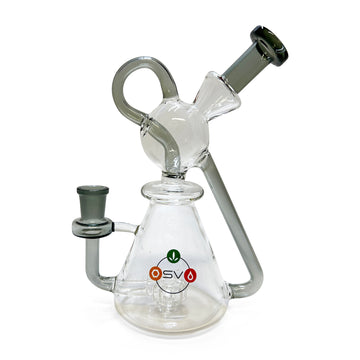
Dry bubbler has become a popular alternative to traditional smoking because it offers smoother vapor, better flavor, and more control over temperature. For beginners, however, the process can seem a bit confusing at first. Understanding the basics—from preparing your herbs to using the right temperature—can make your first experience much more enjoyable. This beginner’s roadmap will guide you through the essential steps to get started with dry herb vaporizing.

Step 1: Understand How Dry Herb Vaporizers Work

Before using a vaporizer, it’s helpful to understand how it works. A dry herb vaporizer heats herbs at a controlled temperature that releases the active compounds as vapor instead of smoke. Because the herb is not burned, the process produces fewer harmful byproducts compared to combustion.

Most vaporizers operate within a temperature range of about 160°C to 220°C (320°F to 428°F). This allows the device to extract flavor and compounds without burning the plant material.

Step 2: Choose the Right Vaporizer

There are two main types of dry herb vaporizers: portable vaporizers and desktop vaporizers.

Portable vaporizers are compact, battery-powered devices designed for convenience and mobility. They are ideal for beginners because they are easy to carry and simple to use.

Desktop vaporizers are larger devices that plug into a power outlet. They usually provide stronger vapor and more consistent heating but are meant for home use rather than portability.

Choosing the right device depends on your lifestyle, budget, and whether you prefer portability or maximum performance.

Step 3: Prepare Your Herbs Properly

Proper preparation is important for good vapor production. Most vaporizers work best when herbs are ground to a medium or medium‑fine consistency. Grinding the herb increases its surface area, allowing heat to distribute evenly throughout the material.

Avoid grinding too finely, as this may restrict airflow inside the chamber. On the other hand, very coarse herbs may not vaporize evenly.

Step 4: Load the Chamber Correctly

After grinding the herb, the next step is loading the vaporizer chamber. Beginners often make the mistake of packing the chamber too tightly. A tightly packed chamber can block airflow and reduce vapor production.

Instead, fill the chamber lightly and allow enough space for air to pass through the herbs. Proper airflow helps the device heat the material evenly and produce smoother vapor.

Step 5: Choose the Right Temperature

Temperature control plays a major role in the vaporizing experience. Different temperature ranges produce different results.

Lower temperatures generally provide better flavor and lighter vapor. Medium temperatures offer a balanced experience with both flavor and moderate vapor production. Higher temperatures produce thicker vapor and stronger effects.

Many experienced users gradually increase the temperature during a session. This technique allows them to enjoy both flavor and stronger vapor as the session progresses.

Step 6: Use the Right Inhaling Technique

Inhaling from a vaporizer is slightly different from smoking. Instead of taking quick, strong puffs, vaporizers usually work best with slow and steady draws.

A gentle inhale allows heated air to pass through the herbs and extract the vapor more effectively. This produces smoother vapor and a more consistent experience.

Step 7: Monitor Your Session

During a session, the herbs will gradually change color as the active compounds are extracted. Properly vaporized herbs typically turn light to medium brown.

If the herb still appears green, it may need more heat or additional time in the chamber. Monitoring the herb helps you understand how efficiently the vaporizer is working.

Step 8: Clean and Maintain Your Vaporizer

Regular cleaning is essential for maintaining good performance and flavor. Over time, residue can build up in the chamber, mouthpiece, and screens. This buildup may restrict airflow and affect vapor quality.

Cleaning the device periodically keeps it functioning properly and ensures a consistent experience. Most vaporizers come with small cleaning tools or brushes to make this process easier.

Step 9: Experiment and Learn

Every vaporizer is slightly different, and personal preferences can vary widely. Beginners should take time to experiment with temperature settings, herb preparation, and inhaling techniques.

Through practice, you will learn what works best for your device and your personal preferences.

Final Thoughts

Dry herb vaporizing can provide a smoother, more flavorful, and more controlled alternative to traditional smoking. While the process may feel unfamiliar at first, following a simple roadmap can make the learning experience much easier.

By choosing the right vaporizer, preparing herbs properly, using the correct temperature, and maintaining your device, beginners can quickly develop the skills needed to enjoy a satisfying vaporizing experience.